
Water resistance ratings on watches are among the most misunderstood specifications in horology. “Water resistant to 30m” does not mean you can swim 30 meters deep while wearing the watch — it means the watch has been tested to withstand water pressure equivalent to 30 meters of static depth. Real-world use involves dynamic pressure (movement, splashing, shock) that significantly exceeds static pressure at any given depth. At Grand Watch Club, here’s what the ratings actually mean.
30m / 3ATM: Splash Resistant Only
30m (3 atmospheres, or 3 bar) water resistance means the watch can handle light splashes and brief contact with water — hand washing, rain, accidental splashing. Do not swim with a 30m-rated watch. The dynamic pressure of swimming significantly exceeds 3 bar at the wrist, and the repetitive water impact of freestyle swimming can force water past gaskets rated for much lower pressures. Most dress watches (Cartier Tank, Patek Calatrava) have 30m water resistance.
50m / 5ATM: Shallow Water
50m (5 bar) is the minimum for swimming. You can shower, swim in a pool, and snorkel briefly at the surface with a 50m-rated watch. Avoid diving or any activities involving high water impact (waterslides, cliff jumping). Many everyday sports watches and smart watches are rated to 50m.
100m / 10ATM: Recreational Swimming
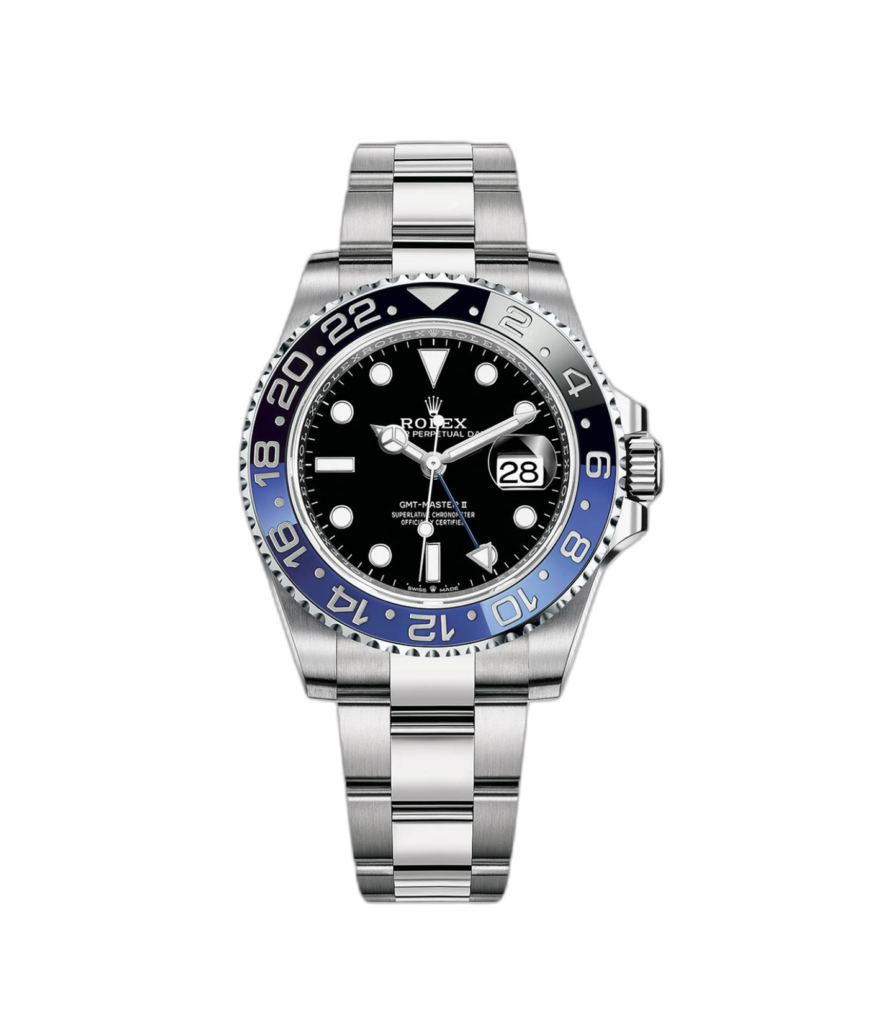
100m (10 bar) is appropriate for recreational swimming, snorkeling, and pool activities. This is the rating of the Rolex GMT-Master II — a watch Rolex considers appropriate for surface water activities. It is not rated for scuba diving. Our super clone GMT-Master II and other 100m-rated references handle everyday water exposure comfortably. See our dedicated water resistance guide for a full breakdown.
200m-300m: Professional Dive Rating
200m (20 bar) and above is where professional diving begins. The Rolex Submariner at 300m (30 bar) is the standard for serious sport diving. This rating involves a helium-sealed crown (Triplock), reinforced crystal, thicker gaskets, and case construction specifically engineered for pressure resistance. Our super clone Submariner is built to the visual specifications of the 300m-rated reference.
Frequently Asked Questions
Q: Should I shower with my super clone watch?
A: If it’s rated 100m or above, yes — but soap, shampoo, and hot water can degrade seals over time. Occasional shower wear is fine; daily hot showers accelerate gasket wear. Fresh water rinse after saltwater exposure is always recommended.
Q: Does water resistance degrade over time?
A: Yes. Rubber gaskets degrade with age, temperature exposure, and chemical contact (chlorine, soap). The water resistance of any watch should be tested during servicing (every 3-5 years). If you swim regularly, annual testing is prudent.
Q: Can I wear my super clone while scuba diving?
A: Only if it’s rated 200m or above. The Submariner (300m) and Sea-Dweller (1220m) are rated for recreational scuba. For deeper professional diving, the Deepsea (3900m) is the appropriate reference.
Know your limits — and wear confidently. Browse water-resistant super clones at Grand Watch Club. Free worldwide shipping, 1-year warranty.
📚 You Might Also Like
⏱ Featured Watches
- Super Clone Santos de Cartier Green Dial
- Super Clone Patek Aquanaut Black – Japanese Miyota
- Reduced Rolex Day-Date Two Tone Green Diamond Dial Oyster Bracelet — £299.00
- Super Clone Patek Philippe Aquanaut Chronograph 5968R-001 Brown Dial Rose Gold 42.2mm – Swiss SuperClone
- Super Clone Patek Philippe Aquanaut 40mm Rubber Strap Steel – Swiss SuperClone 5168G – Japanese Miyota
- Super Clone Patek Philippe Aquanaut Rubber Strap Steel – Japanese Miyota