
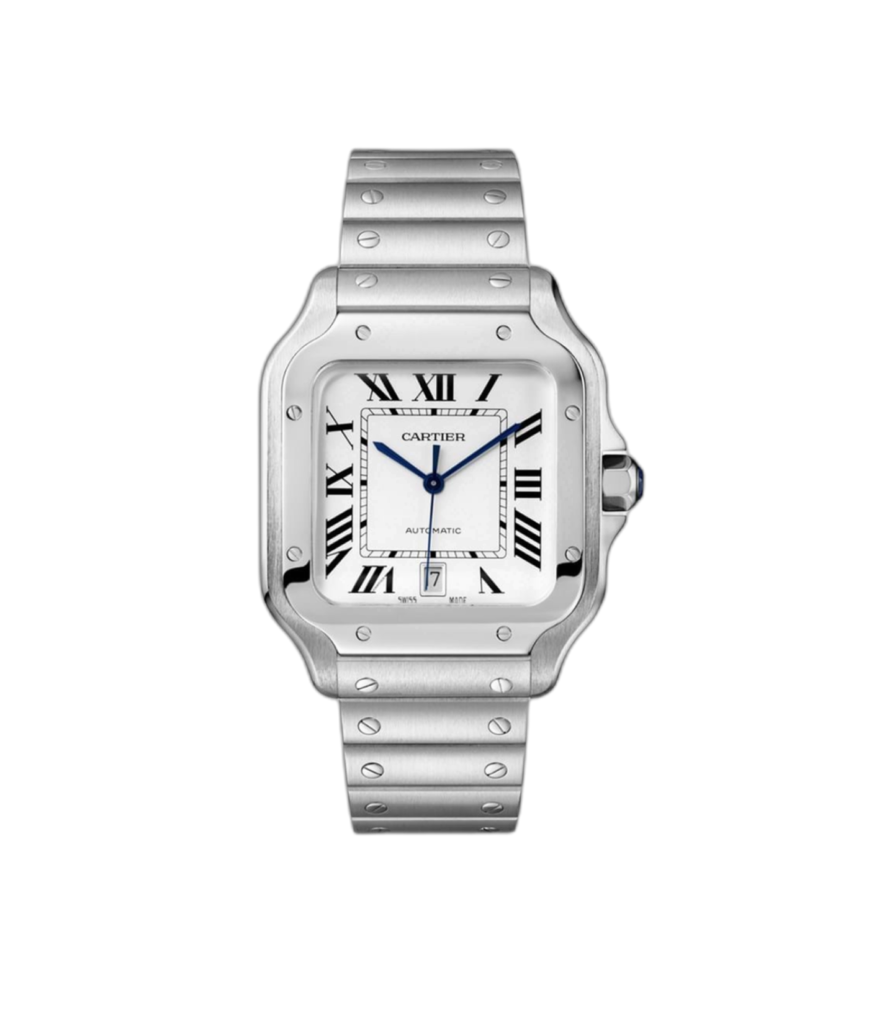
The bezel is often the most visually prominent element of a watch after the dial — and it serves dramatically different functions across different watch types. Understanding bezels helps you appreciate what your super clone was designed to do and why it looks the way it does. At Grand Watch Club, here’s your comprehensive bezel guide.
Unidirectional Dive Bezels: Function First
The unidirectional rotating bezel is the defining feature of dive watches. It rotates counter-clockwise only — a safety feature that means any accidental nudge will show MORE time has elapsed (telling the diver to resurface sooner) rather than less (potentially showing that a safe ascent time hasn’t passed yet). The bezel is marked with 60-minute graduation, with the zero marker (typically a luminous triangle) aligned to the minute hand at the start of a dive.
The Rolex Submariner is the canonical example — its Cerachrom ceramic insert combines the zero-marker triangle, 15-minute graduations, and 60-minute scale in a scratch-resistant medium. Our super clone Submariner replicates this bezel in full ceramic construction. See our dedicated water resistance guide for context on how bezels interact with overall water resistance.
Tachymeter Bezels: Speed Measurement
The tachymeter bezel is found on chronograph watches (like the Rolex Daytona) and allows the calculation of average speed over a known distance. The scale reads in units per hour — you start the chronograph when you pass a known distance marker, stop it when you pass the next (1 kilometer or 1 mile), and read the elapsed time against the tachymeter scale to calculate average speed. The Rolex Daytona‘s tachymeter on its ceramic bezel is the most recognizable example.
Fluted Bezels: Prestige Decoration
The fluted bezel — a series of parallel ridges running around the circumference of the bezel — is purely decorative on modern watches, though historically it served as a functional way to grip the bezel before screw-down bezels were developed. On the Rolex Datejust, the fluted bezel is machined in white gold and signals the more prestigious version of the reference. On the Rolex Day-Date, the fluted bezel is integral to its identity. Our Datejust super clone collection includes fluted bezel versions.
Bidirectional GMT and 24-Hour Bezels
The GMT-Master’s rotating 24-hour bezel allows tracking of a third timezone when aligned with the 24-hour hand. Unlike the dive watch’s unidirectional bezel (which can only rotate counter-clockwise), the GMT bezel rotates in both directions so you can quickly set any reference timezone. The bi-colored ceramic bezels of the Pepsi and Batman GMT-Master II are the most recognizable examples.
Frequently Asked Questions
Q: What is a coin-edge bezel?
A: A coin-edge (or knurled) bezel has a textured edge resembling the edge of a coin, making it easier to grip and rotate. The AP Royal Oak uses octagonal screwed lugs rather than a rotating bezel, but many other watches use coin-edge bezels for rotating functions.
Q: Are ceramic bezels really scratch-resistant?
A: Yes. Ceramic (zirconium oxide) rates approximately 8.5 on the Mohs hardness scale — only diamonds and a few other materials are harder. Under normal wearing conditions, a ceramic bezel will not scratch. Sapphire crystal is similarly scratch-resistant at 9 Mohs.
Q: What is a smooth bezel?
A: A smooth (or plain) bezel has no markings, no rotating function, and no texture — just a clean ring around the case. It’s used on dress watches where a technical bezel would be inappropriate, and on some sports watches where simplicity is preferred. If you are comparing references before you buy, a wider selection of 1:1 super clone watches is available at Super Clone Luxury.
Now you know your bezels — find the perfect one at Grand Watch Club. Free worldwide shipping, 1-year warranty on every super clone watch.
📚 You Might Also Like
⏱ Featured Watches
- Super Clone Santos de Cartier Green Dial
- Super Clone Patek Aquanaut Black – Japanese Miyota
- Reduced Rolex Day-Date Two Tone Green Diamond Dial Oyster Bracelet — £299.00
- Super Clone Rolex Submariner Blue Dial 116619LB “Smurf” – Swiss SuperClone
- Super Clone Rolex Submariner Black Dial 126610LV “Starbucks” – Swiss SuperClone
- Super Clone Rolex Submariner Blue Dial 116613LB “Bluesy” – Swiss SuperClone