
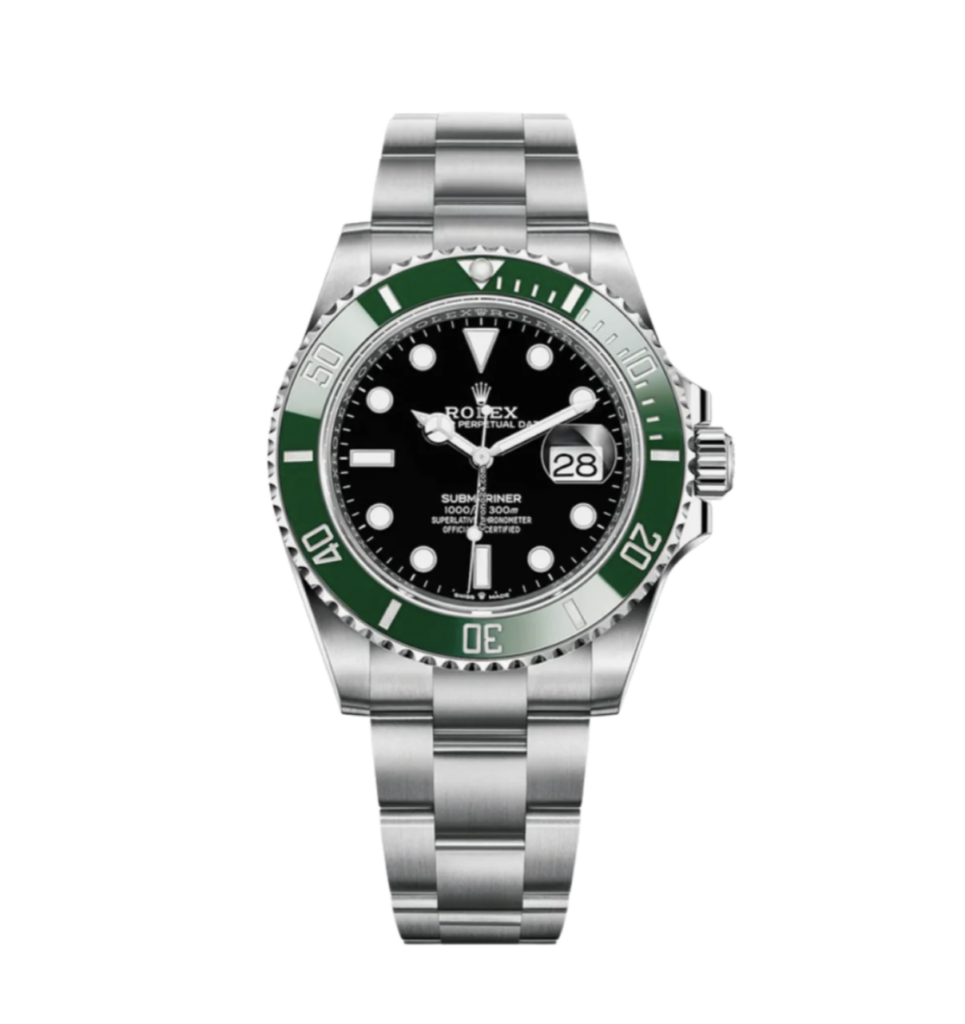
In the world of fine horology, a luxury watch is more than an accessory — it is a reflection of taste, precision, and timeless craftsmanship.
Super Clone Watch Water Resistance Explained
Water resistance ratings on super clone watches can be confusing. A watch rated for “100 metres” doesn’t mean you can dive to 100m. Let us explain what these ratings actually mean.
What the Ratings Mean in Practice
| Rating | Splash | Rain | Shower | Swimming | Diving |
|---|---|---|---|---|---|
| 30m / 3 ATM | ✅ | ✅ | ❌ | ❌ | ❌ |
| 50m / 5 ATM | ✅ | ✅ | ⚠️ | ❌ | ❌ |
| 100m / 10 ATM | ✅ | ✅ | ✅ | ✅ | ❌ |
| 200m / 20 ATM | ✅ | ✅ | ✅ | ✅ | ⚠️ |
| 300m+ / 30 ATM | ✅ | ✅ | ✅ | ✅ | ✅ |
Why Ratings Are Misleading
Water resistance is measured statically in a lab. Real-world activities involve arm movement, water pressure changes, and temperature fluctuations that increase stress on the seals.
How to Protect Your Super Clone Watch
- Always check the crown — ensure it’s screwed down or pushed in before water contact
- Avoid hot water — heat causes gaskets to expand, allowing moisture entry
- Rinse after saltwater — salt corrodes steel and damages rubber gaskets
- Annual gasket check — have a watchmaker inspect and replace gaskets yearly
- Avoid button operation underwater — never use chronograph pushers in water
Our Recommendation
For everyday confident wear including hand-washing and rain, any 100m+ rated super clone is safe. For swimming, stick to 200m+ dive watches. super clone watches for dive-rated super clone watches.
Understanding the Key Concepts
Water resistance in super clone watches is a topic that deserves careful explanation. Unlike genuine luxury watches that undergo rigorous factory pressure testing, super clone timepieces are assembled with quality gaskets and seals designed to handle everyday water exposure rather than professional diving conditions.
The water resistance rating you see on a watch dial represents the static pressure test result, not the real-world depth you can safely reach. During swimming or water sports, dynamic pressure from arm movement significantly increases the force on seals beyond what the static rating suggests.
Practical Water Resistance Tips for Super Clone Watches
For daily wear, your super clone watch can comfortably handle hand washing, rain exposure, and brief splashes. We recommend removing your watch before showering, as the combination of heat, steam, and soap can gradually compromise gasket integrity over time.
If you plan to wear your super clone near water regularly, consider having the gaskets checked and replaced annually by a watchmaker. Fresh gaskets cost very little but provide significantly improved protection against moisture ingress.
Signs of Water Damage
Early detection of water damage can save your watch. Look for condensation under the crystal, especially after temperature changes. A foggy crystal that clears slowly indicates moisture has entered the case. If you notice this, stop wearing the watch immediately and have it professionally dried and resealed.
Other signs include a crown that feels loose or gritty, a case back that does not sit flush, or a watch that suddenly runs significantly fast or slow after water exposure.
Expert Tips and Recommendations
Always wind your automatic watch manually with 20 to 30 crown turns before wearing it after a period of rest. This ensures sufficient power reserve from the start, allowing the automatic winding mechanism to maintain the charge throughout the day.
Keep your super clone watch away from strong magnets, including laptop speakers, phone cases with magnetic closures, and magnetic bag clasps. Magnetism can cause the balance spring to stick, making the watch run significantly fast.
Why Choose Grand Watch Club
Grand Watch Club is dedicated to providing the finest super clone watches available. Every piece in our collection is selected for its accuracy, build quality, and durability. We offer free worldwide shipping, discreet packaging, secure payment options, and responsive customer support.
Our growing community of satisfied customers across the United Kingdom, Europe, and beyond trusts us for premium super clone watches that deliver genuine luxury experience at accessible prices. Browse our collection today and discover the timepiece that speaks to you.
Step-by-Step Summary
Following the guidance above, here is a quick-reference checklist you can use whenever you are evaluating a super clone watch purchase or caring for one you already own:
- Check the movement: Request a video of the running movement before purchasing. A quality super clone movement sweeps smoothly at 8 ticks per second.
- Verify the materials: 904L steel should feel heavier and have a brighter finish than standard 316L. Ask the seller to confirm the steel grade.
- Inspect the crystal: A genuine sapphire crystal will show a faint blue-green AR coating in certain lighting. Tap it — sapphire produces a higher-pitched click than mineral glass.
- Review the packaging: Quality super clones come with a proper presentation box, warranty card, and paperwork. If any of these are missing, question the seller.
- Confirm the warranty: Reputable sellers offer at least a 1-year warranty covering movement defects. Grand Watch Club provides this on every watch we sell.
Common Mistakes to Avoid
The most common mistake buyers make is prioritising price over quality. A super clone priced at under £100 will almost always use a low-grade movement and 316L steel — components that will degrade quickly. The sweet spot for genuine quality is £300–£600, which is where Swiss-grade movements and premium materials are standard. At Grand Watch Club, our entire range sits within this bracket.
Where to Buy with Confidence
Purchasing from a reputable, established retailer removes most of the risk associated with buying super clone watches online. Grand Watch Club offers verified Swiss-movement super clones, free worldwide shipping, discreet packaging, and a 1-year warranty on every piece. Our customer support team is available 7 days a week.
How do I know if a super clone watch is good quality?
The key indicators of quality in a super clone watch are: a smooth-sweeping Swiss automatic movement, 904L stainless steel case, genuine sapphire crystal with AR coating, correct weight (within 1–2 grams of genuine), and proper finishing on the case and bracelet. Reputable sellers will provide detailed photos and video of these elements before purchase.
What is the safest way to buy a super clone watch online?
Buy from an established retailer with verifiable reviews, a clear warranty policy, and transparent shipping information. Avoid marketplaces like eBay or Aliexpress for super clones — the quality is unverifiable. Grand Watch Club ships discreetly with tracked delivery and provides a 1-year warranty on every watch.
Grand Watch Club
Ready to Own a Super Clone Watch?
Browse our full collection of 1:1 super clone Rolex, Patek Philippe, and Audemars Piguet watches.
Browse Our Collection →📚 You Might Also Like
⏱ Featured Watches
- Super Clone Santos de Cartier Green Dial
- Super Clone Patek Aquanaut Black – Japanese Miyota
- Reduced Rolex Day-Date Two Tone Green Diamond Dial Oyster Bracelet — £299.00
- Super Clone Patek Philippe Nautilus 5711 40mm Up Full 3000pcs Moissanite Pave Hongkong – Customize Diamod – Swiss SuperClone
- Super Clone Patek Philippe Annual Calendar 40mm White Dial 5205R-001 – Swiss SuperClone
- Super Clone Audemars Piguet Royal Oak 15500OR Rose Gold 41mm Black Dial – Japanese Miyota