
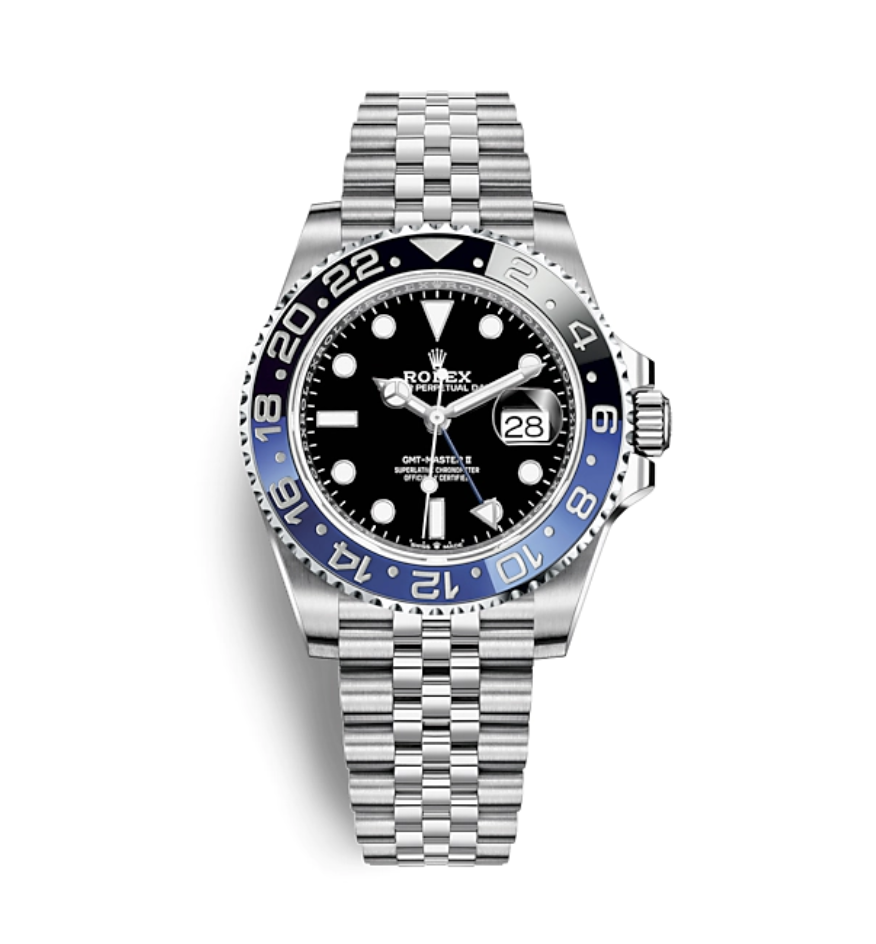
In the world of fine horology, a luxury watch is more than an accessory — it is a reflection of taste, precision, and timeless craftsmanship.
Super Clone Watch Movements: Swiss vs Japanese
The movement is the heart of any watch, and understanding the difference between Swiss and Japanese movements in super clone watches is essential for making the right purchase.
Swiss-Grade Movements
Swiss-grade movements used in premium super clones are typically clones of ETA or Sellita calibres (or Rolex-specific clone calibres like the 3135 and 3235). Characteristics:
- Accuracy: ±2-5 seconds per day
- Power Reserve: 40-72 hours
- Finish: Decorated bridges and rotors
- Durability: 5-10+ years before service
- Price Point: Premium tier
Japanese Movements
Japanese movements (Miyota 8215, 82xx series, or Seiko NH35) are reliable workhorses:
- Accuracy: ±10-20 seconds per day
- Power Reserve: 40-42 hours
- Finish: Functional, minimal decoration
- Durability: 3-7 years before service
- Price Point: Entry to mid tier
Which Should You Choose?
For the best experience, Swiss-grade movements are the clear winner. They run more smoothly, keep better time, and last longer. All super clone watches at Grand Watch Club feature Swiss-grade movements.
Spotting the Difference
A Swiss-grade movement has a higher beat rate (28,800 bph), creating a smoother seconds hand sweep. Japanese movements operate at 21,600 bph, producing a slightly choppier sweep. Display casebacks reveal the finishing quality immediately.
super clone watches — all Swiss-grade movements. Browse our full collection.